
Breech Pregnancy Services Offered in Tacoma, WA
At Rainier OB/GYN, our experienced team provides safe evaluation, monitoring, and treatment of breech pregnancies—including External Cephalic Version (ECV), with ultrasound guidance, a gentle procedure that can often help turn your baby before labor.
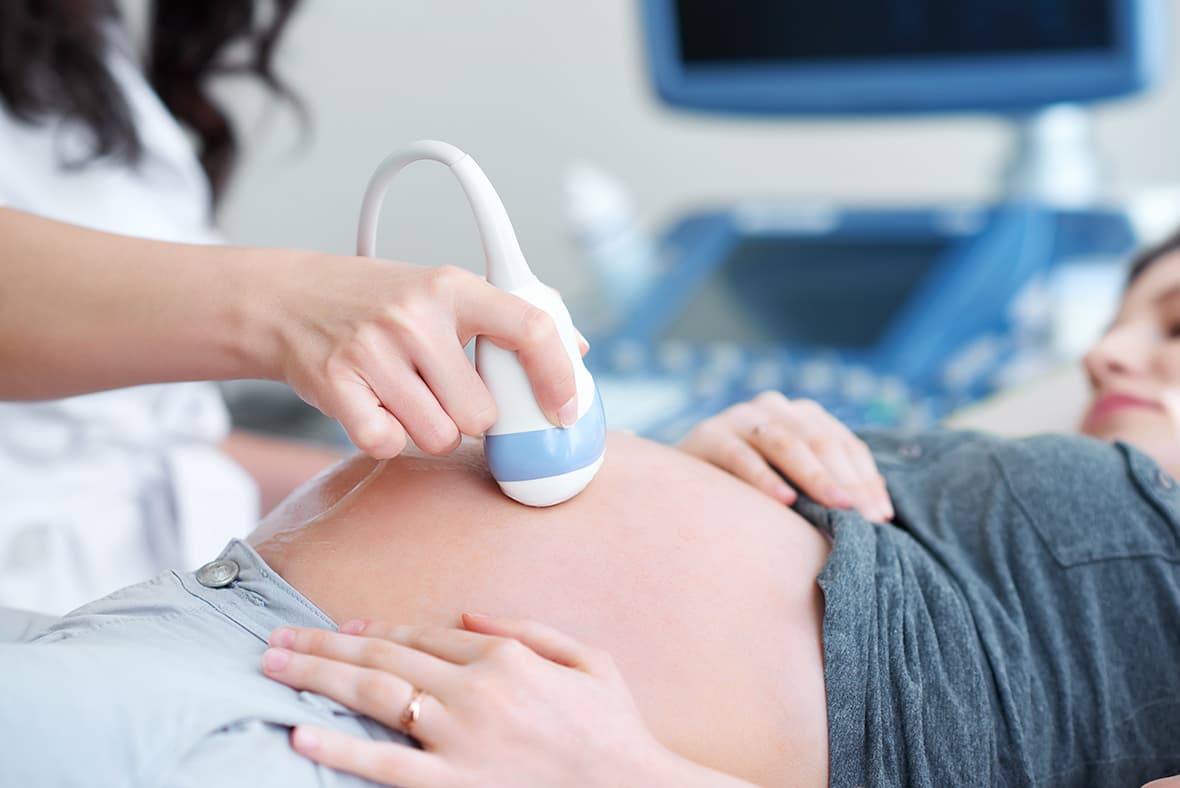
An ECV is usually scheduled between 36 and 38 weeks, when there’s still enough amniotic fluid for the baby to move safely. Using an ultrasound to confirm pregnancy position and check the placenta, Dr. Maynard applies gentle pressure to the abdomen to guide the baby into a head-down position for birth.
The procedure is done in the hospital for close monitoring of both mother and baby. Most patients go home the same day. When successful, an ECV can greatly reduce the chance of a cesarean birth and support a smoother vaginal delivery.
Learning you have a breech pregnancy can be stressful, but women who rely on Steven Maynard, MD, at Rainier OB/GYN in Tacoma, Washington, can rest assured they are in the best of hands. Dr. Maynard is highly skilled in managing breech presentations and is here to help as you welcome your newest family member. Call the office today, or schedule online to set up a visit.
What is a breech pregnancy?
- Previous pregnancies
- Too much or too little amniotic fluid
- Preterm birth
- Uterine fibroids or abnormal uterine shape
- Twins or multiples
Breech Pregnancy Q & A
How are breech pregnancies managed?
Learning you have a breech pregnancy may be stressful, but there are many ways to manage a breech pregnancy and keep both mother and baby healthy. Dr. Maynard will work with you to determine the best possible approach.
A planned cesarean delivery is one option and involves a surgical procedure to remove the baby from the uterus without moving through the birth canal. In some cases, a vaginal delivery is possible even if the baby is in a breech position.
Another option involves changing the baby’s position prior to labor and delivery. That is called external cephalic version.
What is external cephalic version (ECV)?
External cephalic version is a process in which Dr. Maynard uses his hands to place pressure on your abdomen in an attempt to turn your baby into a heads-down position. It is only done once a pregnancy has reached term.
The procedure can be guided using ultrasound, and your baby’s heart rate is monitored from start to finish. If you or your baby experience any complications during the process, a cesarean delivery will likely be performed right away.
External cephalic version is successful more than 50% of the time. If you are carrying more than one baby or have any issues with placenta position or placental abruption, external cephalic version is not a good option, and Dr. Maynard will discuss alternatives.
Working with a highly skilled obstetrician with extensive experience in breech pregnancies is the best way to navigate a complicated birth. If you have questions or concerns, book a visit with Dr. Maynard online or by phone today.
When is ECV usually done?
ECV is most often offered around 36–37 weeks of pregnancy, when the chance of the baby turning on its own is lower but there is still enough fluid and space to safely rotate the baby.
In some situations it can be considered slightly earlier or later, but 37 weeks on a labor and delivery unit is a common timing in many guidelines.
Who performs ECV?
ECV is always done by an experienced obstetrician in a hospital setting where both mother and baby can be carefully monitored. Before the procedure, an ultrasound is performed to confirm the baby’s position, check the placenta and amniotic fluid, and ensure conditions are safe for the attempt.
During the ECV, Dr. Maynard uses gentle, steady pressure on the abdomen to guide the baby into a head-down position. Continuous fetal monitoring is used before, during, and after to track the baby’s heart rate and well-being.
This combination of expertise, ultrasound guidance, and real-time monitoring helps keep the procedure safe while giving the best chance for a successful turn.
Does ECV hurt? Is anesthesia needed?
Most patients describe ECV as uncomfortable because of the pressure on the abdomen, but it should not be sharply painful; the active turning maneuvers usually last only a few minutes. A medication to relax the uterus (a tocolytic, such as terbutaline) is
commonly given, and some centers may also offer pain medicine or an epidural, but full anesthesia is not routinely required.
How long does an ECV take?
The actual hands‑on turning in an ECV usually takes several minutes, with the obstetrician making a few attempts if needed (often up to about 10 minutes of total turning time). Including monitoring before and after, plan to be on the unit for roughly 2–3 hours from start to finish.
Is external cephalic version safe for the baby?
For most pregnancies that meet criteria, ECV is considered a safe procedure, with serious complications (like significant bleeding from the placenta or persistent fetal heart
rate problems needing an emergency cesarean) occurring in about 1 in 200 cases. Continuous or frequent fetal heart rate monitoring and immediate access to cesarean delivery are used to keep risk as low as possible, which is why ECV is done on or near a labor and delivery unit.
How Effective Is ECV in turning breech babies?
At Rainier OBGYN, Dr. Steven Maynard performs External Cephalic Version (ECV) procedures with close ultrasound monitoring to ensure safety and comfort. On average, ECV is successful in about 50 to 60 percent of cases, and when successful, most babies stay head-down for the rest of the pregnancy.
Several factors can increase the chances of success. These include a normal amount of amniotic fluid, a placenta that’s not located on the front wall of the uterus, and the baby not being too deeply engaged in the pelvis. People who have had previous pregnancies also tend to have a slightly higher success rate.
Even if the first attempt doesn’t work, a second try may be possible depending on the baby’s position and overall conditions. Dr. Maynard and the Rainier OBGYN team will review your specific situation and discuss the safest options for you and your baby.
Can the baby turn breech again?
After a successful ECV, there is still a small chance —around 5%— that the baby may turn back to a breech position later in pregnancy. The chance of staying head‑down is higher if this is not your first baby and if the baby’s head settles well into the pelvis after the procedure.
What if ECV doesn’t work?
If an External Cephalic Version (ECV) doesn’t successfully turn the baby, there’s no immediate cause for concern. Some babies naturally move into a head-down position later on, even after an unsuccessful attempt.
If the baby remains breech, Dr. Steven Maynard at Rainier OBGYN will review your delivery options with you. In most cases, a cesarean birth is recommended for breech babies to ensure a safe delivery for both mother and baby.
Your care plan will be individualized based on your health, the baby’s position, and any previous pregnancies. Dr. Maynard and the team will guide you through each step, providing clear information and support so you can make the best decision for your birth.
Vaginal birth after successful ECV
If your baby remains head‑down after a successful ECV and there are no other obstetric
concerns, you can usually plan for a vaginal birth. A successful ECV significantly
reduces the likelihood of needing a cesarean specifically for breech presentation, although a cesarean can still become necessary later for the usual reasons that can arise in any labor.